October 10, 2026
Why Do Your Easy work but Your Sockets Do Not?
By @zionimvh657
When your easy work however your outlets do not, it generally indicates problems like overloaded circuits, damaged receptacles, or circuitry troubles. Illumination circuits typically run separately on 15-amp breakers, while outlet circuits might share circuits or make use of different electrical wiring. This inconsistency can lead to local socket failures. You may likewise experience GFCI receptacles that journey as a result of underlying issues. Recognizing the cause is vital for safety and security and functionality, and further understandings can aid you fix effectively.
Takeaways
- Various circuits might power lights and electrical outlets, triggering local issues with sockets while lights stay functional.
- Overloaded circuits or malfunctioning receptacles typically protect against sockets from functioning regardless of functional lights.
- Matured or frayed circuitry can cause interferences in sockets while lights continue to operate.
- Loose or inappropriate connections in outlet wiring may disrupt power distribution, impacting just outlets.
- Inspect for stumbled breakers or blown fuses, as these can especially affect outlet functionality.
Troubleshooting Outlets: Why Don't They Function?
When you find that your receptacles aren't functioning, it can be frustrating, especially if your lights are operating properly. Begin by looking for GFCI outlets, which often control multiple receptacles. Press the reset switch and see if that solves the concern. If not, take a look at the electrical outlet polarity utilizing a multimeter; inaccurate wiring can lead to non-functional outlets. Make sure the warm and neutral wires are attached appropriately-- reversed polarity can trigger security threats and equipment damage. If these actions don't function, inspect the circuit for tripped breakers or loosened connections. Constantly prioritize safety; if you're unclear, seek advice from a specialist electrician to prevent electric hazards. Proper troubleshooting can assist recover power to your electrical outlets efficiently.
Comprehending Circuit Breakers and Fuses
To troubleshoot non-working sockets, comprehending circuit breakers and integrates is vital. These components secure your electric system by disrupting the circulation of electrical energy throughout overloads or faults. We'll discover their functions and supply pointers for efficient troubleshooting.
Circuit Breaker Basics
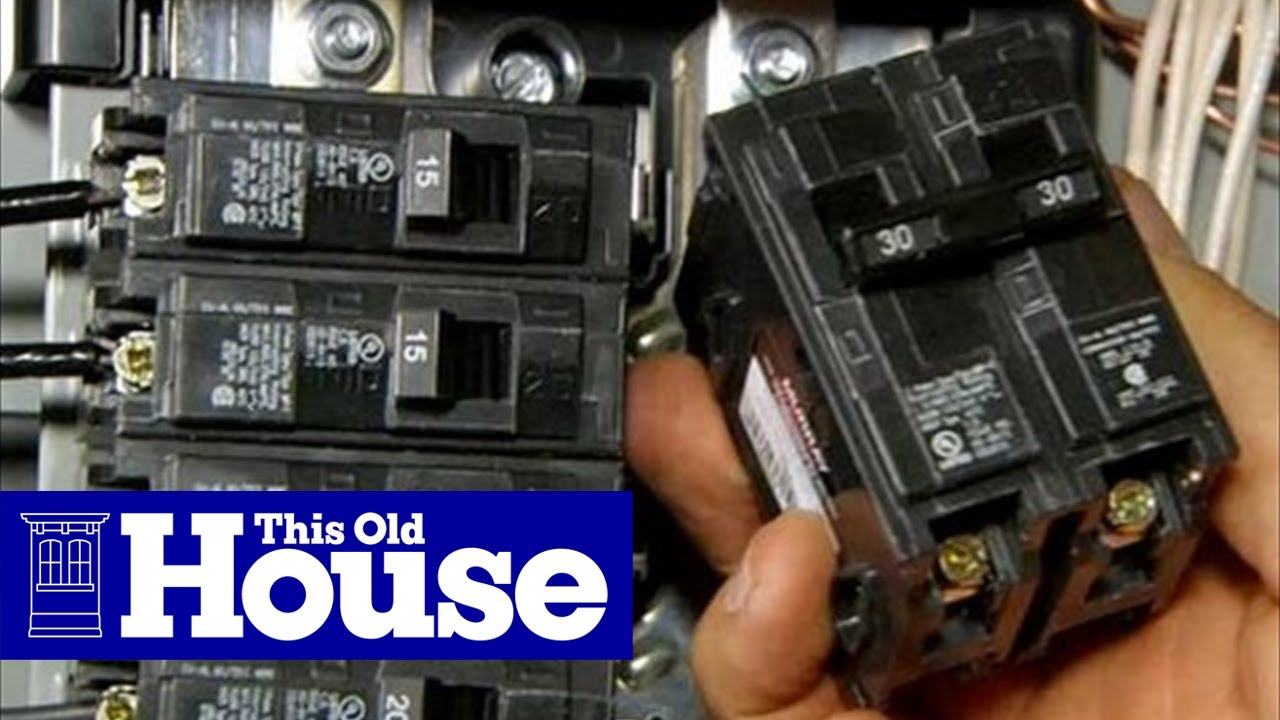
Understanding circuit breakers and integrates is vital for preserving electrical safety and security in your home. Breaker protect your electrical system by immediately shutting down power when they spot overloads or faults, ensuring your devices stay risk-free. Unlike integrates, which must be changed as soon as they blow, breakers can simply be reset, making them extra hassle-free for everyday use. Acquainting on your own with electrical principles will assist you determine when a breaker trips and why. Routine breaker upkeep is crucial; look for indications of wear or damage, and validate links are safe. By keeping your breaker in excellent problem, you can avoid prospective risks and keep a dependable electrical system in your home.
Integrate Performance Explained
While breaker have actually come to be the requirement in modern-day electric systems, fuses still play a significant function in protecting circuits from overloads. Blade type fuses are frequently made use of for this function, created to melt and interrupt the circuit when excessive current flows. When a fuse operates, it's the fuse web link that weakens, effectively cutting the electrical link. This destruction protects against possible damage to devices and circuitry. Unlike breaker, which can be reset, a blown fuse requires substitute. It's essential to select the right fuse ranking for your tools to ensure peak protection. Understanding fuse performance can help you resolve problems when your sockets aren't working, as a blown fuse may be the underlying reason.
Troubleshooting Tips Offered
When your outlets aren't functioning, the initial step is to inspect the breaker or circuit box. Right here's just how to repair properly:
- Inspect the Breaker: Seek any type of stumbled breakers. If you discover one, flip it off and then back on.
- Examine Fuses: If your system uses fuses, analyze every one for any kind of blown fuses and change them as required.
- Examination GFCI Resets: If your outlets are GFCI-protected, find the reset switch and press it to bring back power.
- Evaluate Receptacle Polarity: Make use of a polarity tester to verify right electrical wiring. Miswiring can bring about non-functional receptacles.
Usual Electrical Outlet Problems and Just How to Repair Them
If you have actually seen that your lights function yet your electrical outlets do not, it's necessary to recognize typical receptacle problems to restore capability. One usual concern is loosened receptacles. If an electrical outlet really feels wobbly or does not hold plugs firmly, it may need tightening up or replacement. Aged circuitry can also trigger problems; over time, insulation can weaken, resulting in shorts or disconnections. To troubleshoot, initially shut off the power at the circuit breaker. Examine the electrical outlet for any kind of noticeable damages or loose connections. You may also intend to check the electrical outlet with a multimeter to examine for voltage. If you discover considerable wear or damages, it's wise to get in touch with a professional electrician to make certain risk-free and correct repair work.
Distinctions In Between Light and Electrical Outlet Circuits
Comprehending the differences in between light and receptacle circuits is crucial for efficient troubleshooting. While both serve important features, they operate under distinctive specifications. Here are crucial differences:

- Voltage Load: Lights circuits normally handle reduced tons, while outlet circuitry supports higher voltage home appliances.
- Electrical wiring Configuration: Lights circuits commonly make use of 14-gauge cord, whereas outlet wiring may call for 12-gauge for heavier lots.
- Circuit Breakers: Lighting circuits normally have 15-amp breakers, while outlets can have 20-amp breakers to suit even more power.
- Location of Fixtures: Lights are typically on devoted circuits, while outlets might share with various other tools, making complex troubleshooting.
Identifying these distinctions can assist you pinpoint the problem when your outlets don't function, even though your lights do.
What You Must Find Out About Ground Mistake Circuit Interrupters
What do you truly understand about Ground Fault Circuit Interrupters (GFCIs)? GFCIs are vital safety and security tools made to secure you from electrical shock, particularly in wet locations. Usual GFCI locations consist of kitchen areas, restrooms, and exterior outlets. If your outlets aren't functioning, a tripped GFCI might be the offender. To restore power, you'll need to execute reset treatments. Locate the GFCI electrical outlet, typically noted with a "reset" switch, and press it. If it trips once more, there might be an underlying problem requiring specialist analysis. On a regular basis checking your GFCIs guarantees they're functioning appropriately, enhancing your security. Recognizing these tools can make a significant distinction in protecting against electric risks in your home.
Identifying Usual Electrical Wiring Problems in your house
When you're dealing with non-functional outlets, it's critical to recognize the underlying circuitry concerns. You may come across defective receptacle connections, tripped breaker, or damaged circuitry. Understanding these common troubles can help you deal with the situation successfully and securely.
Faulty Electrical Outlet Links
Malfunctioning receptacle connections can bring about irritating electric issues, leaving you with outlets that simply will not work. Comprehending usual issues can aid you identify the issue:
- Loose connections: Cables might have come reversed, preventing correct electrical power flow.
- Corroded calls: Oxidation can take place in time, hindering the outlet's performance.
- Damaged wiring: Frayed or damaged cords can disrupt power supply.
- Inappropriate installation: If an outlet isn't wired properly, it can lead to inconsistent performance.
Checking these elements can conserve you money and time. If you suspect any one of these concerns, consider speaking with a licensed electrical expert to ensure risk-free and reliable fixings. Addressing faulty connections without delay is essential for your home's electric dependability.
Tripped Circuit Breakers
If you've seen that your easy work however your sockets don't, a tripped breaker can be the offender. Breaker are developed with overload defense to avoid electrical fires and damages. When way too much current flows through a circuit, the breaker trips, removing power to details receptacles. To resolve this concern, locate your breaker panel and try to find a breaker in the "off" setting or one that shows up tripped. An easy breaker reset may restore power to your sockets. Just flip the switch back to the "on" position. If the breaker journeys once more, it could indicate an underlying problem, such as an overloaded circuit or malfunctioning receptacle, calling for additional examination by a qualified electrician.

Wiring Damage Concerns
Although you may not immediately think about electrical wiring damage as a cause for your sockets not working, it can be a considerable concern in older homes or locations with high moisture. Common wiring issues include:
- Rodent damage: Rodents can eat via cords, causing shorts or open circuits.
- Insulation abrasion: Wires can battle royal against sharp sides, resulting in revealed conductors.
- Loosened links: Gradually, links can end up being loosened, leading to intermittent power.
- Wetness breach: High moisture or leaks can corrode connections, disrupting the circuit.
Determining these issues early is necessary for safety and functionality. If you believe electrical wiring damages, it's crucial to speak with a qualified electrical contractor to analyze and solve the trouble efficiently.
When to Call an Electrical Expert for Assistance?
Determining when to call an electrical expert can save you time and protect against further complications with your electrical system. If your sockets aren't working while your lights are, it's vital to analyze the circumstance. Do not neglect reoccuring concerns like stumbled breakers or shedding smells. These can show underlying problems that call for immediate focus. If you're unclear regarding the security of your wiring, scheduling an electrical examination is wise. An electrical expert can identify any kind of dangerous problems or code offenses. In addition, if you require receptacle substitute, it's ideal to leave it to a professional to ensure proper installment and safety. Bear in mind, taking on electric concerns on your very own can bring about harmful scenarios; it's always safer to consult a specialist.
Regularly Asked Concerns
Can I Use a Power Strip With a Non-Working Outlet?
You shouldn't utilize a power strip with a non-working receptacle. Even if it's connected, it will not provide power. Instead, take into consideration making use of expansion cables or rise protectors linked into a useful outlet. In this manner, you ensure tools get the power they need securely. Likewise, inspect the circuit breaker or seek advice from an electrician to solve the underlying concern with the socket. It's vital for both safety and security and performance of your electrical system.
Exactly How Can I Securely Evaluate an Electrical Outlet for Power?
To safely check an electrical outlet for power, make use of a non-contact tester or voltage indication. Oddly, about 30% of home electrical fires are caused by malfunctioning receptacles. Begin by shutting off the breaker, then hold the non-contact tester near the electrical outlet. If it illuminate, there's voltage existing. Otherwise, ascertain your links or speak with an expert. Constantly prioritize safety and security when handling electricity to protect against risks.
Why Do Some Home appliances Work While Others Do Not?
Some home appliances function while others don't because of home appliance compatibility and interior electrical wiring issues. Each device has details voltage and present requirements; if they don't match your receptacle's specifications, they will not function properly. Furthermore, inner circuitry in your home may be damaged or poor for sure devices, triggering them to stop working. Always examine the compatibility of your tools and verify your electrical wiring can handle the lots to avoid troubles.
What Should I Do if My Electrical Outlet Smells Burnt?
If your receptacle smells scorched, immediately disconnect any devices and switch off the power at the breaker. Check for burned electrical wiring; if you see damage, don't try repair services on your own. It's vital to stay clear of smoke inhalation, so make particular the area is well-ventilated. Contact a qualified electrician to evaluate the scenario and securely solve the issue. Ignoring the problem might lead to fire threats or further electrical complications.
Exist Outlets That Can Work Without a Ground Wire?
Yes, there are receptacles that can work without a ground cable, especially when using GFCI retrofits. These Ground Fault Circuit local electrician gravesend Interrupters provide security by stumbling if an inequality is found, making them appropriate for Course II appliances that don't require grounding. While they aren't a straight substitute for grounded receptacles, they can enhance safety and security in older homes where grounding isn't viable. Always get in touch with a qualified electrical contractor to make specific compliance with neighborhood codes.
❧